
Two-Way Radios in Memphis, TN
Comserv Services is the Mid-South’s full-service two-way radio dealer. Whether you call them portable radios, handheld radios, or walkie talkies — we carry professional-grade two-way radios built for schools, businesses, and public safety teams across Memphis and the Mid-South. We sell, service, rent, and install all leading brands for agencies and organizations of every size.
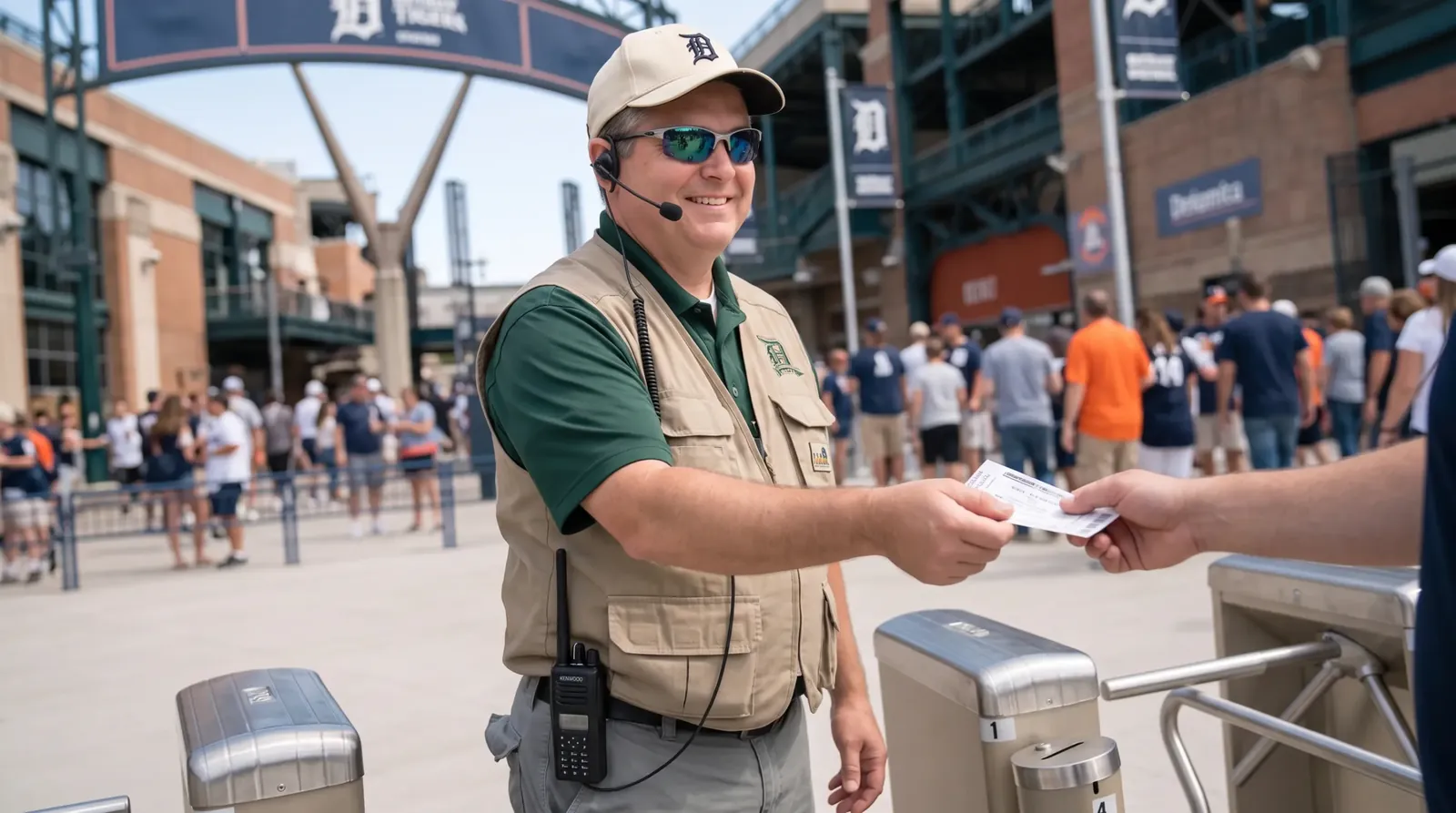
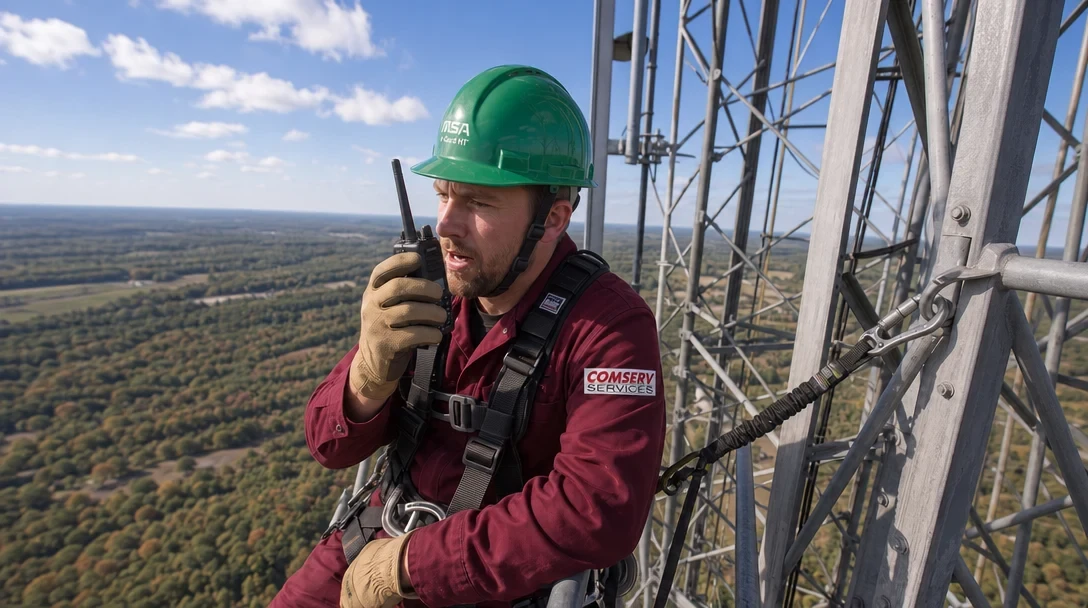
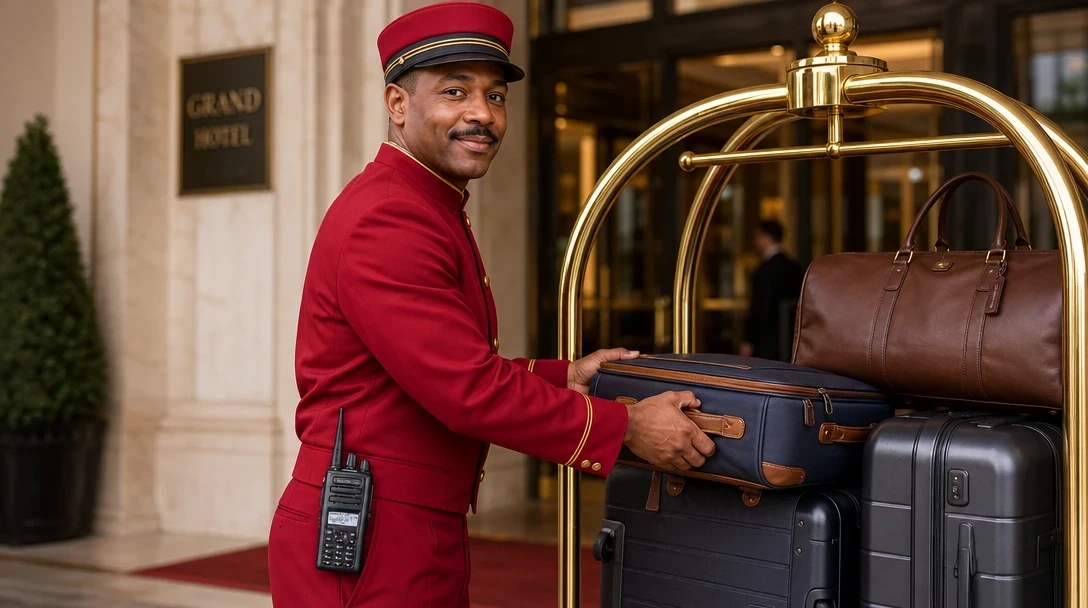

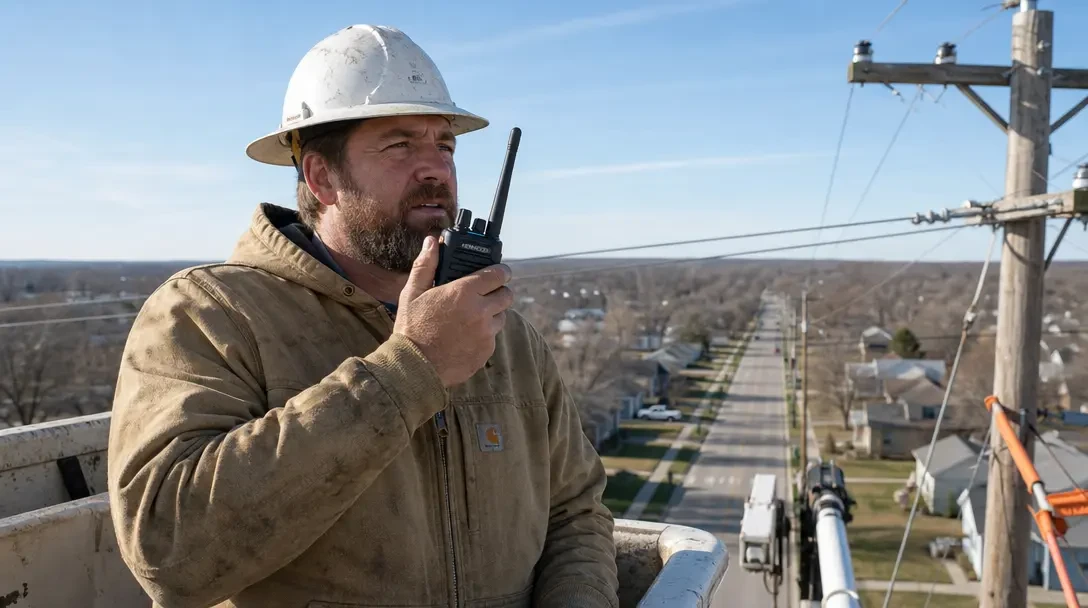
FULL-SERVICE PROVIDER
Everything You Need in One Place
Sales
We carry portable radios, mobile radios, repeaters, and accessories from all leading brands. Our team will help you select the right system for your application and budget.
Service & Repair
Factory-trained technicians service and repair all major brands of two-way radios. Fast turnaround, warranty repairs, and preventive maintenance programs available.
Rental
Short and long-term radio rental programs for events, construction projects, and temporary needs. Fully programmed and ready to use.
Programming & Support
Complete radio programming, channel setup, and ongoing technical support. We ensure your radios are configured correctly for your operations from day one.
Maintenance Contracts
Scheduled inspections, battery testing, firmware updates, and preventive service on a predictable budget. Keep your fleet in peak condition with a maintenance agreement tailored to your operation.
System Design & Installation
From single-site deployments to multi-building campus systems, we design, install, and commission complete integrated communications systems — including repeaters, base stations, and vehicle installations.
COMMON QUESTIONS
Two-Way Radio FAQ
Why should I buy two-way radios from a local dealer instead of online?
Buying a radio online is easy — until something goes wrong. A local dealer like Comserv Services brings several things no website can offer. First, expertise: we’ll ask the right questions about your facility, your team size, and your environment to make sure you get the right radio for the job — not just whatever has the best reviews. Second, programming: a radio out of the box isn’t ready to use in a professional setting. We program your radios to your specific channels, tones, and frequencies before they leave our shop. Third, local knowledge: we know the Memphis and Mid-South area, the frequencies in use here, and the specific challenges of operating in this region. Fourth, ongoing support: if a radio breaks, you bring it to us — you’re not shipping it across the country and waiting. We also service what we sell, and in many cases what we didn’t sell.
It’s also worth knowing that most radios sold through mass-market retailers and online marketplaces are consumer-grade products — not commercial quality. They are built to a price point, not a performance standard. A commercial-grade Kenwood or Motorola radio is engineered for years of daily use in demanding environments. The cheap alternatives are essentially disposable: when they fail, and they will, there is no repair path and no support. They end up in a landfill and you’re buying again. A commercial radio costs more upfront but costs far less over time — and it will actually be there when you need it. When you buy local, you’re buying a relationship, not just a product.
What’s the difference between a portable two-way radio and a walkie talkie?
They’re essentially the same thing — “walkie talkie” is the everyday term most people use, while “two-way radio” is the industry term. Both refer to handheld portable radios that can send and receive voice communications. Professional-grade two-way radios (like Kenwood and Motorola) offer more power, durability, and features than consumer walkie talkies from a big-box store.
What are the different types of two-way radios?
There are three main types. Portable radios — also called handhelds or walkie talkies — are battery-powered and carried on the body, making them ideal for workers on the move. Mobile radios are mounted in vehicles or heavy equipment such as patrol cars, fire trucks, backhoes, and construction equipment, and draw power from the vehicle. Base station radios are fixed units typically installed in an office, dispatch center, or command post and plugged into AC power. Many operations use a combination of all three — for example, a construction company might have mobile radios in their equipment, portables for workers in the field, and a base station back at the office.
What’s the difference between analog and digital two-way radios?
Analog radios transmit voice as a continuous signal — they’re simple, reliable, and work with most existing infrastructure. Digital radios convert voice to data, which delivers clearer audio, longer battery life, better range at the edge of coverage, and added features like text messaging and GPS. Popular digital platforms include Kenwood NEXEDGE (which uses the NXDN protocol over FDMA) and Motorola MOTOTRBO (which uses the DMR standard over TDMA) — two different technologies, each with their own strengths. Public safety agencies often use P25 (Project 25), which is the interoperability standard for police, fire, and EMS. Many businesses are upgrading to digital, but analog systems still work great for straightforward applications.
What is a repeater and do I need one?
In basic radio-to-radio operation, each radio transmits directly to the others — which works well in smaller, open environments. In larger facilities, multi-story buildings, or spread-out campuses, walls, floors, and distance can block or weaken the signal. A repeater solves this by acting as a relay station. It is typically mounted in a central, elevated location — such as a rooftop, upper floor, or equipment room — where it can “hear” every radio on the system. When a radio transmits, the repeater receives that signal and rebroadcasts it at higher power, giving full coverage across the entire facility. Each individual radio only needs enough power to reach the repeater, not every other radio directly. If your team is experiencing dead spots or dropped communications in certain areas, a repeater is usually the answer.
How many radios do I need for my business?
It depends on your operation. A good starting point is one radio per person who needs to communicate, plus a spare or two for shift changes or new hires. For larger operations with multiple departments or locations, you may also need a repeater to extend range. Call us and we can walk through your specific situation — there’s no one-size-fits-all answer.
Do I need a license to use two-way radios?
It depends on the frequency. Business-band radios operating on licensed frequencies (VHF/UHF) require an FCC license, which is straightforward to obtain and issued for a 10-year term. Licensing requirements and fees can vary depending on your specific needs and the frequencies involved. Some radios operate on license-free frequencies (like MURS or FRS), but these have lower power limits. We can advise you on the right option and help you understand the licensing process.
Can you program radios to work with our existing system?
In most cases, yes. Our factory-trained technicians can program new radios to match your existing channels, tones, and frequencies so they work seamlessly with what you already have. Bring in your existing radios or give us your channel information and we’ll take care of the rest.
Do you service radios you didn’t sell?
Yes. Our service department repairs all major brands of two-way radios regardless of where they were purchased. We service Kenwood, Motorola, and most other commercial brands. Call us or bring your radios in for an evaluation.
How long does radio repair typically take?
Turnaround time typically ranges from one to two weeks depending on the nature of the repair and parts availability. We’ll give you an estimate when you bring the radio in. Loaner or rental radios are available if you can’t be without coverage while yours is being serviced.
Do you offer radio rentals for events or short-term projects?
Yes. We offer short and long-term radio rentals for events, construction projects, film productions, and any other temporary need. Rentals come fully programmed and ready to use. Contact us for availability and pricing.
Browse the Radio Catalog
Portable radios · Mobile radios · Repeaters · All Kenwood models
AUTHORIZED DEALER
Brands We Carry
Kenwood
As an authorized Kenwood dealer, Comserv Services carries the full line of Kenwood professional two-way radios and walkie talkies — from entry-level portables to mission-critical digital systems for public safety.
- NX-5000 Series multi-protocol radios
- NEXEDGE, DMR, and P25 digital systems
- Repeaters and base stations

Kenwood Viking
Kenwood Viking radios deliver rugged, mission-critical performance for public safety and industrial applications. Comserv Services is your authorized Viking dealer in the Mid-South.
- Viking portable radios
- Mission-critical durability
- P25 compatible
- Public safety ready
Motorola
Motorola Solutions radios are the standard for public safety and commercial communications. As a Motorola Value Added Reseller, we carry and service the Motorola lineup including MOTOTRBO and RDX series.
- MOTOTRBO digital two-way
- CP/CM portables and mobiles
WHO WE SERVE
Industries We Serve
WHY CHOOSE US
The COMSERV Advantage
- Authorized Kenwood and Motorola dealer
- Over 150 years of combined team experience
- Sales, service, rental, and installation under one roof
- Factory-trained technicians on staff
- Repeater and base station installation
- System design for single-site and multi-building deployments
- FCC license assistance and frequency coordination
- Maintenance contracts and time-and-material service
- Serving the Mid-South since the 1980s
- Fleet and agency pricing available
- On-site service and programming available
- Fast repair turnaround times
Ready to Find the Right Radio?
Our team will help you select, program, and install the right two-way radio system for your needs and budget. Call us or send a message today.
RELATED SERVICES